Making the Switch: Practical Tips for Embracing a Vegan Lifestyle
Transitioning to a vegan lifestyle can seem like a monumental task, filled with restrictions and culinary challenges. However, it doesn't have to be daunting. In fact, with the right knowledge and approach, embracing veganism can be an exciting and enriching experience. This post draws inspiration from the insights shared by Ariel Zachow on our latest podcast episode, How to Embrace a Vegan Lifestyle and Enjoy a Nutrient-Rich Vegan Diet Without Feeling Deprived with Ariel Zachow. We'll delve into actionable strategies for adopting veganism, covering everything from meal planning and finding vegan alternatives to navigating social situations and making mindful choices for both your health and the planet. Get ready to discover how to make veganism a delicious and sustainable part of your life!
Introduction: Why Consider a Vegan Lifestyle?
The reasons for adopting a vegan lifestyle are as varied as the individuals who choose it. For some, it's driven by ethical concerns about animal welfare and the practices of the industrial animal agriculture industry. Others are motivated by the potential health benefits, such as reduced risk of heart disease, type 2 diabetes, and certain types of cancer. Still others are drawn to veganism's positive impact on the environment, as plant-based diets generally have a lower carbon footprint than diets that include animal products.
A vegan diet excludes all animal products, including meat, poultry, fish, dairy, eggs, and honey. It focuses on plant-based foods such as fruits, vegetables, grains, legumes, nuts, and seeds. While this may sound restrictive, a well-planned vegan diet can be incredibly diverse, flavorful, and satisfying. Moreover, the growing availability of vegan alternatives makes it easier than ever to enjoy your favorite foods without compromising your values.
The shift towards veganism is gaining momentum worldwide, fueled by increasing awareness of the ethical, health, and environmental implications of our food choices. Whether you're a long-time vegetarian looking to take the next step, or someone entirely new to the concept of plant-based eating, this guide will provide you with the practical tools and information you need to make a successful transition.
Ariel Zachow's Insights on Veganism
Ariel Zachow, a passionate advocate for vegan living, offers invaluable insights into the practicalities of adopting and maintaining a plant-based lifestyle. As she discussed in the podcast, one of the key elements of successful veganism is approaching it with a sense of curiosity and experimentation. Instead of focusing on what you're "giving up," focus on the exciting new culinary possibilities that veganism opens up.
Ariel emphasizes the importance of education. Understanding the nutritional needs of a vegan diet is crucial for ensuring you're getting all the essential vitamins and minerals your body requires. This includes paying attention to sources of protein, iron, calcium, vitamin B12, and omega-3 fatty acids. Luckily, there's a wealth of information available online, in books, and from registered dietitians specializing in plant-based nutrition.
Another key takeaway from Ariel's advice is the importance of finding your "why." Whether it's animal welfare, environmental sustainability, or personal health, having a strong motivating factor can help you stay committed to your vegan journey, especially when faced with challenges or temptations.
Finally, Ariel stresses the importance of being kind to yourself. Transitioning to veganism is a process, not a destination. There will be times when you make mistakes or slip up, and that's okay. The important thing is to learn from those experiences and keep moving forward. Remember, every plant-based meal you choose is a step in the right direction.
Planning Nutrient-Rich Vegan Meals
One of the most common concerns about veganism is whether it's possible to get all the necessary nutrients from a plant-based diet. The answer is a resounding yes, but it requires careful planning and attention to detail. Here are some key nutrients to focus on when planning your vegan meals:
- Protein: Essential for building and repairing tissues, protein is abundant in legumes (beans, lentils, peas), tofu, tempeh, seitan, nuts, seeds, and whole grains. Aim to include a variety of these protein sources in your daily diet.
- Iron: Important for carrying oxygen in the blood, iron is found in lentils, beans, spinach, fortified cereals, and dried fruit. Enhance iron absorption by consuming vitamin C-rich foods, such as citrus fruits and bell peppers, alongside your iron sources.
- Calcium: Crucial for bone health, calcium is available in fortified plant milks (almond, soy, oat), tofu (calcium-set), leafy green vegetables (kale, collard greens), and fortified orange juice.
- Vitamin B12: This vitamin is not naturally found in plant foods, so vegans need to obtain it through fortified foods (plant milks, nutritional yeast, cereals) or a B12 supplement. Vitamin B12 is essential for nerve function and red blood cell production.
- Omega-3 Fatty Acids: Important for brain health and reducing inflammation, omega-3s are found in flaxseeds, chia seeds, walnuts, and algae-based supplements.
- Vitamin D: While you can get vitamin D from sun exposure, many people don't get enough, especially during winter months. Fortified plant milks, cereals, and mushrooms exposed to UV light can provide vitamin D. Consider a supplement if you're not getting enough from food and sun.
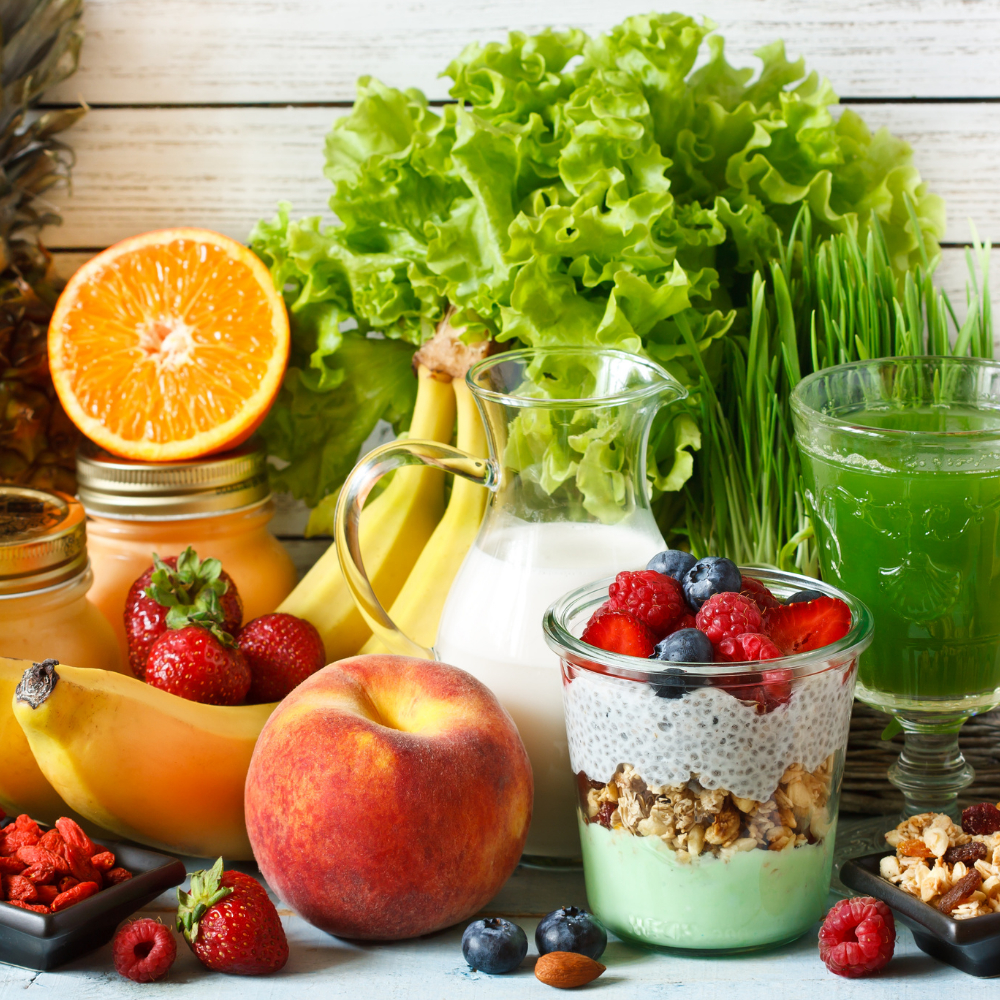
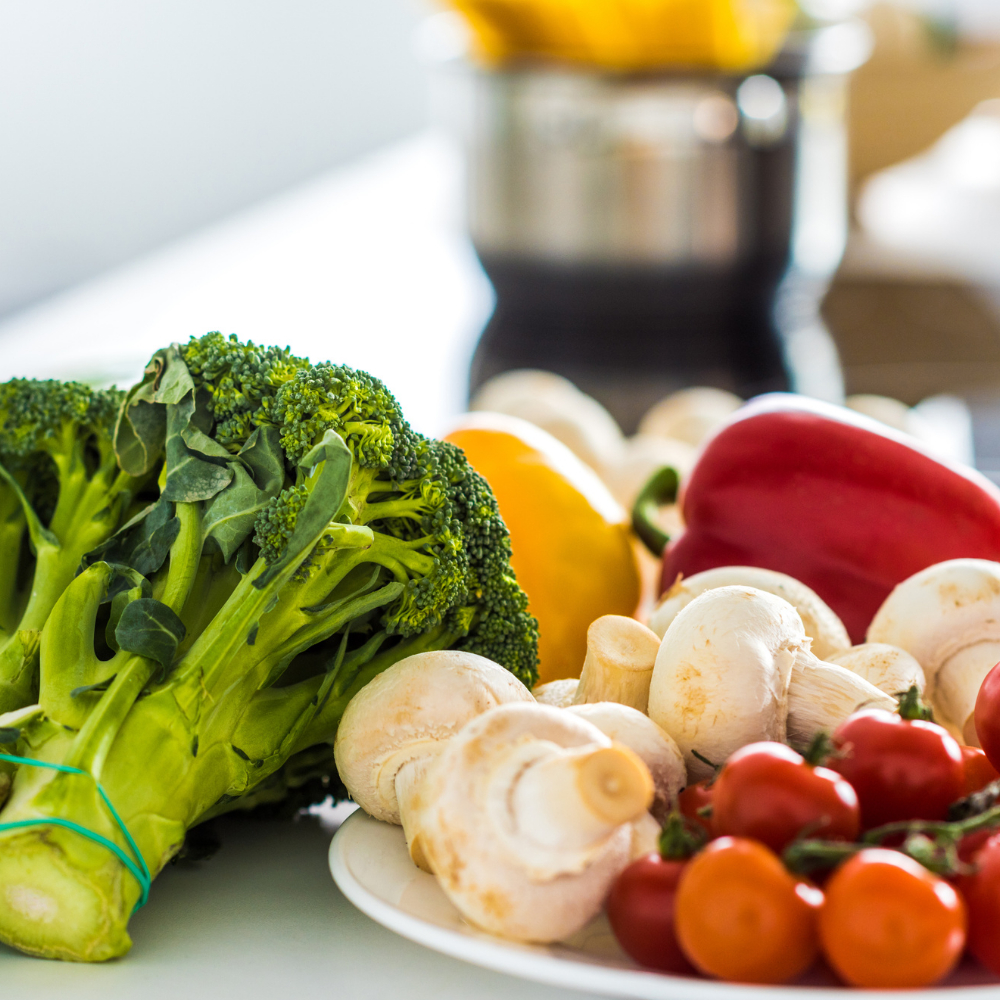
When planning your meals, aim for a balance of macronutrients (protein, carbohydrates, and fats) and micronutrients (vitamins and minerals). Incorporate a variety of colorful fruits and vegetables to ensure you're getting a wide range of antioxidants and phytonutrients. Experiment with different cuisines and recipes to keep your meals exciting and prevent boredom. Meal prepping can also be a helpful strategy for staying on track, especially during busy weeks. Batch cooking grains, beans, and roasted vegetables can provide a foundation for quick and easy meals throughout the week.
Finding Vegan Alternatives to Your Favorite Foods
One of the biggest hurdles for many people transitioning to veganism is the perceived lack of familiar foods. Fortunately, the vegan market has exploded in recent years, offering a wide array of plant-based alternatives to traditionally animal-based products. From vegan burgers and sausages to dairy-free cheese and ice cream, there's a vegan version of almost everything.
- Meat Alternatives: Tofu, tempeh, seitan, and textured vegetable protein (TVP) are versatile ingredients that can be used in a variety of dishes. Vegan burgers and sausages made from plant-based proteins are also widely available.
- Dairy Alternatives: Plant-based milks made from almonds, soy, oats, coconut, and rice are excellent substitutes for cow's milk. Vegan cheese made from nuts, seeds, or soy can be used in sandwiches, pizzas, and other cheesy dishes. Vegan yogurt made from coconut or soy is a delicious and healthy breakfast or snack option.
- Egg Alternatives: Aquafaba (the liquid from canned chickpeas) can be used as an egg white substitute in baking. Flax eggs (ground flaxseed mixed with water) can also be used as a binder in recipes. Tofu scrambles are a popular vegan alternative to scrambled eggs.
- Sweet Treats: Many candies and desserts are naturally vegan, such as dark chocolate, Oreos (check the ingredients list), and certain types of gummy candies. Vegan ice cream made from coconut, almond, or cashew milk is a delicious and satisfying dessert option.
When choosing vegan alternatives, be mindful of the ingredients and nutritional content. Some processed vegan foods can be high in sodium, sugar, and unhealthy fats. Opt for options that are made with whole, unprocessed ingredients whenever possible. Experiment with different brands and varieties to find the alternatives that you enjoy the most. Don't be afraid to try making your own vegan alternatives at home. There are countless recipes available online for everything from vegan cheese to vegan ice cream.
Navigating Social Situations as a Vegan
Navigating social situations can be one of the most challenging aspects of adopting a vegan lifestyle. Whether it's attending a family gathering, eating out with friends, or traveling, there are often situations where you may feel like an outsider or face pressure to compromise your values. However, with a little planning and communication, you can navigate these situations with grace and confidence.
- Communicate Your Needs: Before attending a social gathering, let the host know that you're vegan and offer to bring a dish to share. This will ensure that there's at least one vegan-friendly option available.
- Research Restaurants in Advance: When eating out, research restaurants in advance to see if they have vegan options. Many restaurants are now offering vegan dishes on their regular menus, and some even have dedicated vegan menus. If you're unsure, call the restaurant ahead of time to inquire about their vegan options.
- Be Prepared: When traveling, pack snacks and meals to ensure you have access to vegan food. Look for grocery stores and health food stores in your destination that carry vegan products.
- Be Respectful and Educate: Be respectful of others' food choices and avoid being judgmental or preachy. When asked about your veganism, be prepared to explain your reasons in a calm and informative manner. Sharing personal experiences and offering positive information is more likely to be well-received than lecturing or arguing.
- Focus on Common Ground: When socializing, focus on common interests and activities rather than dwelling on your dietary differences. Remember that food is just one aspect of social interaction.
Remember, you have the right to make your own food choices, and you don't need to apologize for them. Be confident in your decision and focus on the positive aspects of your vegan lifestyle. With practice and patience, you'll become more comfortable navigating social situations and advocating for your values.
Mindful Choices for Health and the Planet
Veganism is more than just a diet; it's a philosophy that extends to all aspects of life. Making mindful choices about the products you consume and the activities you engage in can have a significant impact on your health and the planet.
- Choose Sustainable Products: Look for products that are made with sustainable materials, such as organic cotton, bamboo, and recycled materials. Avoid products that are made with animal products, such as leather, wool, and silk.
- Reduce Your Carbon Footprint: Reduce your carbon footprint by choosing sustainable transportation options, such as walking, biking, or public transportation. Conserve energy by turning off lights and appliances when you're not using them. Reduce waste by recycling and composting.
- Support Ethical Businesses: Support businesses that are committed to ethical and sustainable practices. Look for companies that are certified B Corporations or Fair Trade certified.
- Advocate for Change: Advocate for policies that support animal welfare, environmental sustainability, and public health. Contact your elected officials and let them know your concerns. Support organizations that are working to create a more just and sustainable world.
By making mindful choices in your daily life, you can create a positive impact on your health, the planet, and the well-being of animals. Remember that every small action counts, and together we can create a more sustainable and compassionate world.
Key Takeaways from Ariel Zachow: Embracing the Vegan Journey
Ariel Zachow's perspective on embracing a vegan lifestyle, as highlighted in the podcast, boils down to a few critical elements: education, mindful planning, and self-compassion. Firstly, arm yourself with knowledge about vegan nutrition to ensure a balanced and fulfilling diet. Secondly, plan your meals and navigate social situations thoughtfully to avoid feeling restricted or overwhelmed. Lastly, be patient with yourself, acknowledging that the transition is a process and setbacks are opportunities for learning and growth.
According to the episode's show notes, here are some other key takeaways:
- Travel with caution and kindness.
- Vegan lifestyle can be delicious.
- Learn from failure.
- Focus on what matters most.
- Treat people with compassion.
- Embrace failure to succeed.
These key takeaways underscore the importance of extending kindness and patience to yourself and others as you navigate the vegan journey. Learning from failures and embracing a growth mindset will contribute to long-term success and fulfillment.
Conclusion: Making Veganism Delicious and Sustainable
Embarking on a vegan lifestyle is a journey of discovery, compassion, and conscious living. It's about making informed choices that align with your values, whether those values are rooted in animal welfare, environmental sustainability, or personal health. As we've explored in this post, and as Ariel Zachow emphasized in our podcast episode, How to Embrace a Vegan Lifestyle and Enjoy a Nutrient-Rich Vegan Diet Without Feeling Deprived with Ariel Zachow, adopting veganism doesn't have to be a restrictive or difficult experience. With the right knowledge, resources, and mindset, it can be a delicious, sustainable, and enriching way of life.
Remember to focus on incorporating a variety of nutrient-rich plant-based foods into your diet, experiment with vegan alternatives to your favorite meals, and navigate social situations with confidence and respect. By making mindful choices and advocating for a more compassionate world, you can contribute to a healthier planet and a more just society. So, take the leap, explore the world of veganism, and discover the many benefits it has to offer. Your body, the animals, and the planet will thank you.


Speaking Up Against Bullying: Empowering Victims and Bystanders