Speaking Up Against Bullying: Empowering Victims and Bystanders
Bullying is a pervasive issue that affects individuals of all ages, backgrounds, and walks of life. It can manifest in various forms, including physical, verbal, social, and cyberbullying, each leaving lasting emotional and psychological scars on its victims. One of the most effective ways to combat bullying is to encourage victims and bystanders to speak up, report incidents, and support those who have been targeted. In this blog post, we will explore the importance of speaking up against bullying, the impact of bullying on individuals and communities, and strategies for empowering victims and bystanders to take action. We will also highlight the work of advocates like Dina Buno, who share their stories of resilience and offer practical resources for bullying prevention and support. This post complements our latest podcast episode, Bullying Prevention & Awareness: Dina Buno’s Powerful Advocacy Story, where we delve deeper into this critical topic with Dina herself. Through this discussion, we aim to create a culture of accountability and foster safe, inclusive environments for everyone.
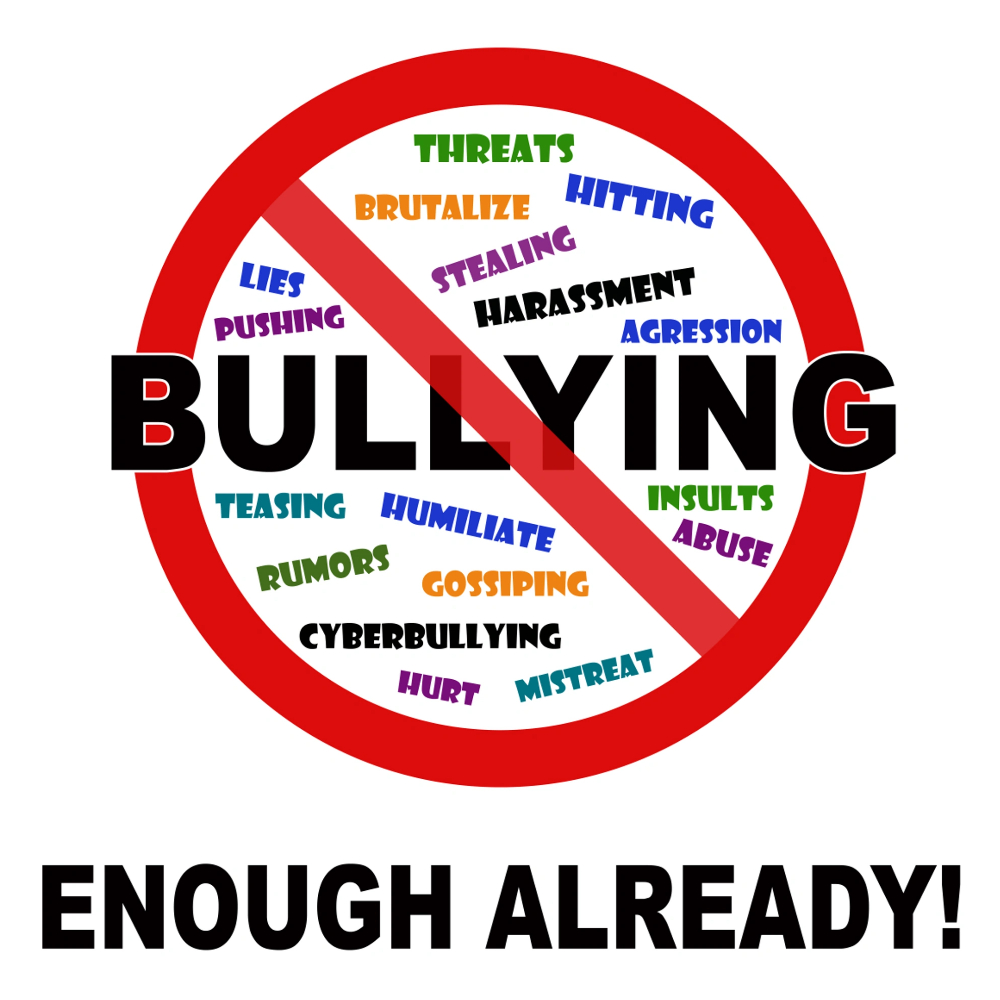
The Importance of Speaking Up Against Bullying
Speaking up against bullying is crucial for several reasons. Firstly, it breaks the cycle of silence and secrecy that often surrounds bullying incidents. Victims may feel ashamed, afraid, or helpless, and they may believe that no one will believe them or take their concerns seriously. By speaking up, victims can regain a sense of control and agency, and they can send a powerful message that bullying is not acceptable. Secondly, speaking up can alert adults, school officials, and community leaders to the problem and prompt them to take action. Bullying often thrives in environments where it is tolerated or ignored, and reporting incidents can help to create a culture of accountability and prevention. Finally, speaking up can inspire others to do the same, creating a ripple effect of support and solidarity for victims. When bystanders witness bullying and choose to speak out, they can disrupt the power dynamics and send a clear message to the bully that their behavior is unacceptable.
The Impact of Bullying: Why Prevention Matters
Bullying has a profound and lasting impact on the physical, emotional, and psychological well-being of its victims. It can lead to a range of negative consequences, including:
- Mental Health Issues: Victims of bullying are at a higher risk of developing depression, anxiety, low self-esteem, and suicidal thoughts. The constant stress and trauma of being targeted can disrupt their emotional regulation and coping mechanisms.
- Academic Problems: Bullying can interfere with a student's ability to focus in school, complete assignments, and participate in class. Victims may experience a decline in their grades, increased absenteeism, and even drop out of school altogether.
- Social Isolation: Bullying can damage a victim's social relationships and lead to feelings of loneliness and isolation. Victims may withdraw from their friends and family, avoid social situations, and struggle to form new connections.
- Physical Health Issues: The stress of being bullied can manifest in physical symptoms such as headaches, stomachaches, sleep disturbances, and weakened immune function. Chronic bullying can even contribute to long-term health problems like cardiovascular disease.
Preventing bullying is essential to protect the health and well-being of all students and create a positive school climate. Prevention efforts should focus on educating students about bullying, promoting empathy and respect, and establishing clear policies and procedures for reporting and addressing incidents.
Dina Buno's Advocacy: A Story of Strength and Resilience
Dina Buno is a powerful voice in the fight against bullying. As an Autism/Asperger's advocate, writer, and creative thinker, Dina brings a unique perspective to the issue, drawing on her own experiences of being bullied and her passion for helping others. In our latest podcast episode, Bullying Prevention & Awareness: Dina Buno’s Powerful Advocacy Story, Dina shares her personal insights on why bullying is a serious issue that can affect anyone, anywhere. Her story highlights the importance of speaking up, supporting victims, and fostering safe, inclusive environments. Dina's advocacy work includes:
- Sharing her personal story: Dina bravely shares her experiences of being bullied as a child and teenager, offering hope and inspiration to other victims.
- Raising awareness: Dina speaks out about the different forms of bullying and the devastating impact it can have on individuals and communities.
- Providing support: Dina offers guidance and resources to victims of bullying and their families, helping them to navigate the challenges they face.
- Advocating for change: Dina works to create a more inclusive and accepting society where bullying is not tolerated.
Dina's story is a testament to the power of resilience and the importance of speaking up against bullying. Her work serves as a reminder that we all have a role to play in creating a safer and more supportive world for young people.

Empowering Victims: Strategies for Speaking Out
Empowering victims of bullying to speak out is crucial for their healing and recovery. Here are some strategies for helping victims find their voice:
- Believe them: When a victim discloses that they have been bullied, it is important to believe them and take their concerns seriously. Avoid dismissing their experience or minimizing the impact it has had on them.
- Validate their feelings: Acknowledge the victim's feelings of anger, sadness, fear, or shame. Let them know that it is okay to feel this way and that they are not alone.
- Offer support: Let the victim know that you are there for them and that you will support them in any way you can. This may include listening to their concerns, helping them to report the bullying, or connecting them with resources and support services.
- Help them develop a safety plan: Work with the victim to develop a safety plan that includes strategies for avoiding the bully, staying safe at school, and reporting incidents of bullying.
- Encourage them to seek help: Encourage the victim to talk to a trusted adult, such as a parent, teacher, counselor, or school psychologist. These professionals can provide support and guidance and help the victim develop coping strategies.
- Teach them assertiveness skills: Help the victim develop assertiveness skills so that they can stand up for themselves and communicate their needs effectively. This may include practicing assertive communication techniques and role-playing different scenarios.
- Celebrate their courage: Acknowledge and celebrate the victim's courage in speaking out against bullying. Let them know that they are brave and strong and that their voice matters.
The Role of Bystanders: Creating a Culture of Support
Bystanders play a crucial role in preventing and addressing bullying. When bystanders witness bullying, they have the power to either perpetuate the problem or intervene and make a difference. Here are some ways that bystanders can create a culture of support:
- Speak up: Bystanders can speak up directly to the bully, telling them to stop. This can be a powerful way to disrupt the bullying and send a message that it is not acceptable.
- Intervene: Bystanders can intervene in the bullying situation by distracting the bully, offering support to the victim, or reporting the incident to an adult.
- Support the victim: Bystanders can offer support to the victim by listening to their concerns, validating their feelings, and letting them know that they are not alone.
- Report the bullying: Bystanders can report the bullying to a trusted adult, such as a teacher, counselor, or parent. This can help to ensure that the bullying is addressed and that the victim receives the support they need.
- Be an ally: Bystanders can be an ally to the victim by standing up for them, befriending them, and creating a more inclusive and accepting environment.
By taking action, bystanders can create a culture of support and send a message that bullying is not tolerated.
Practical Resources for Bullying Prevention and Support
There are many resources available to help prevent and address bullying. Here are some practical resources that victims, bystanders, and educators can use:
- StopBullying.gov: This website provides information about bullying prevention, response, and reporting. It also includes resources for parents, educators, and students.
- Pacer's National Bullying Prevention Center: This organization offers resources and programs to prevent bullying and promote inclusion in schools and communities.
- The Bully Project: This documentary film and social action campaign aims to raise awareness about bullying and inspire action to create a more inclusive and accepting society.
- GLSEN (Gay, Lesbian & Straight Education Network): This organization works to create safe and inclusive schools for LGBTQ students, who are often targets of bullying.
- The Trevor Project: This organization provides crisis intervention and suicide prevention services to LGBTQ youth, who are at a higher risk of being bullied.
- Local school districts: Many school districts have policies and programs in place to address bullying. Contact your local school district for more information.
Creating Safe and Inclusive Environments
Creating safe and inclusive environments is essential for preventing bullying and promoting the well-being of all students. Here are some strategies for creating safe and inclusive environments:
- Establish clear policies and procedures: Schools should have clear policies and procedures in place for reporting and addressing bullying. These policies should be communicated to students, staff, and parents.
- Provide training and education: Schools should provide training and education to students, staff, and parents about bullying prevention, response, and reporting.
- Promote empathy and respect: Schools should promote empathy and respect among students by teaching them about diversity, inclusion, and conflict resolution.
- Create a positive school climate: Schools should create a positive school climate where students feel safe, supported, and respected. This can be achieved by fostering positive relationships between students and staff, promoting positive behavior, and celebrating diversity.
- Address cyberbullying: Schools should address cyberbullying by educating students about online safety, teaching them how to report cyberbullying incidents, and implementing policies to address cyberbullying both on and off campus.
- Involve parents and community members: Schools should involve parents and community members in bullying prevention efforts by providing them with information and resources and encouraging them to participate in school activities.
Conclusion: Taking Action Against Bullying
Bullying is a serious issue that requires a collective effort to address. By speaking up against bullying, empowering victims, and creating safe and inclusive environments, we can make a difference in the lives of young people. Remember Dina Buno's story and her powerful advocacy for bullying prevention and awareness. Her journey, discussed in detail in our episode Bullying Prevention & Awareness: Dina Buno’s Powerful Advocacy Story, reminds us that speaking out and supporting victims can lead to real change. It is up to all of us to take action and create a world where bullying is not tolerated. Let's work together to create a culture of kindness, empathy, and respect, where every child feels safe, valued, and supported.


Making the Switch: Practical Tips for Embracing a Vegan Lifestyle